

Women in Technology: Why Representation Is Reshaping the Future of Innovation
The technology industry sits at the center of global transformation, powering economies, redefining communication, and shaping the future of work. As this influence continues to expand, so does the urgency to ensure that those building the future reflect the diversity of those living in it. The rise of women in technology is not simply a matter of equity; it is a strategic, economic, and cultural imperative.
Across industries, research consistently demonstrates that diverse teams outperform homogeneous ones. In technology, where innovation, creativity, and problem-solving are essential, this advantage becomes even more pronounced. Women are not only entering the tech workforce in greater numbers; they are reshaping how technology is designed, developed, and deployed across the globe.
The Current Landscape: Progress with Purpose
While progress has been made, women remain underrepresented in many areas of technology. According to the National Center for Women & Information Technology (NCWIT), women make up approximately 26% of the computing workforce in the United States. Globally, UNESCO reports that women account for around 28% of engineering graduates and 40% of computer science graduates, highlighting a pipeline that is growing, but still uneven.
Leadership representation tells a similar story. Data from McKinsey & Company and LeanIn.Org indicate that women hold just 28% of C-suite roles globally, with even fewer in technical executive positions such as CTO or CIO. However, the trajectory is shifting. More women are founding technology companies, leading venture-backed startups, and occupying influential roles in product development, artificial intelligence, and digital transformation. This rise is not incidental; it is the result of intentional investment in education, mentorship, and visibility.
Why Women in Tech Matter
The importance of women in technology extends far beyond representation. It directly impacts the quality, relevance, and inclusivity of the products and systems that define modern life.
1. Innovation Through Diverse Perspectives
Technology built by diverse teams is more likely to address a wider range of user needs. When women are included in product design and engineering, outcomes are more inclusive, reducing bias and improving usability. This is particularly critical in areas such as artificial intelligence, healthcare technology, and financial services, where oversight can have widespread consequences.
2. Economic Growth and Business Performance
According to a report by the Peterson Institute for International Economics, companies with at least 30% women in leadership positions are more likely to outperform financially. Similarly, Boston Consulting Group found that companies with above-average diversity on their management teams generate 19% higher innovation revenue.
Women are also driving entrepreneurship in tech. The Global Entrepreneurship Monitor notes a steady increase in women-led startups worldwide, contributing to job creation, new market solutions, and economic resilience.
3. Addressing the Talent Gap
The demand for skilled technology professionals continues to outpace supply. The U.S. Bureau of Labor Statistics projects that employment in computer and information technology occupations will grow faster than average through the next decade. Increasing women’s participation is not just beneficial, it is necessary to meet workforce demands.
Expanding access to STEM education and creating inclusive pathways for women ensures that the industry can sustain its growth while maintaining a competitive global edge.
4. Building Ethical and Responsible Technology
As conversations around data privacy, algorithmic bias, and digital ethics intensify, the presence of women in decision-making roles becomes even more critical. Inclusive teams are more likely to question assumptions, challenge norms, and build systems that reflect broader societal values.
Global Momentum: Women Leading the Way
The rise of women in technology is marked by a growing number of influential leaders who are redefining what leadership in tech looks like.
Ginni Rometty, former CEO of IBM, played a pivotal role in advancing artificial intelligence and enterprise transformation, while championing skills-based hiring and workforce development.
Susan Wojcicki, former CEO of YouTube, helped scale one of the world’s most influential digital platforms while navigating complex issues around content, community, and responsibility.
Whitney Wolfe Herd, founder of Bumble, disrupted the dating app industry by building a platform centered on women’s agency and safety, demonstrating how technology can reflect values as well as functionality.
Reshma Saujani, founder of Girls Who Code, has been instrumental in addressing the gender gap in technology by equipping young women with the skills and confidence to pursue careers in computer science.
Fei-Fei Li, a leading voice in artificial intelligence, has advocated for human-centered AI and ethical development, emphasizing the importance of diversity in shaping intelligent systems.
These leaders, and many others, are not only succeeding within the industry; they are actively transforming it.
The Future of Tech for Women
Looking ahead, the future of technology for women is both promising and dependent on sustained action. Key trends are shaping this trajectory:
1. Expansion of STEM Education and Early Exposure
Programs targeting young women and girls are increasing access to coding, robotics, and digital literacy. Early exposure is critical to building confidence and interest in technology careers.
2. Flexible and Inclusive Work Environments
As remote and hybrid work models become standard, new opportunities are emerging for women to enter and remain in the tech workforce. Companies that prioritize flexibility, equity, and inclusion will attract and retain top talent.
3. Increased Investment in Women-Led Ventures
While women-founded startups still receive a smaller share of venture capital funding, approximately 2% in the U.S., according to PitchBook, there is growing momentum to close this gap. Funds and initiatives focused on women entrepreneurs are gaining traction globally.
4. Visibility and Personal Branding
As the industry evolves, visibility matters. Women who share their expertise, tell their stories, and build strong personal brands are not only advancing their own careers but also creating pathways for others.
The rise of women in technology represents one of the most significant opportunities of our time. It is an opportunity to build better systems, create more inclusive solutions, and drive meaningful economic growth. For organizations, the path forward requires intentionality: investing in recruitment, retention, and advancement of women across all levels of the tech ecosystem.
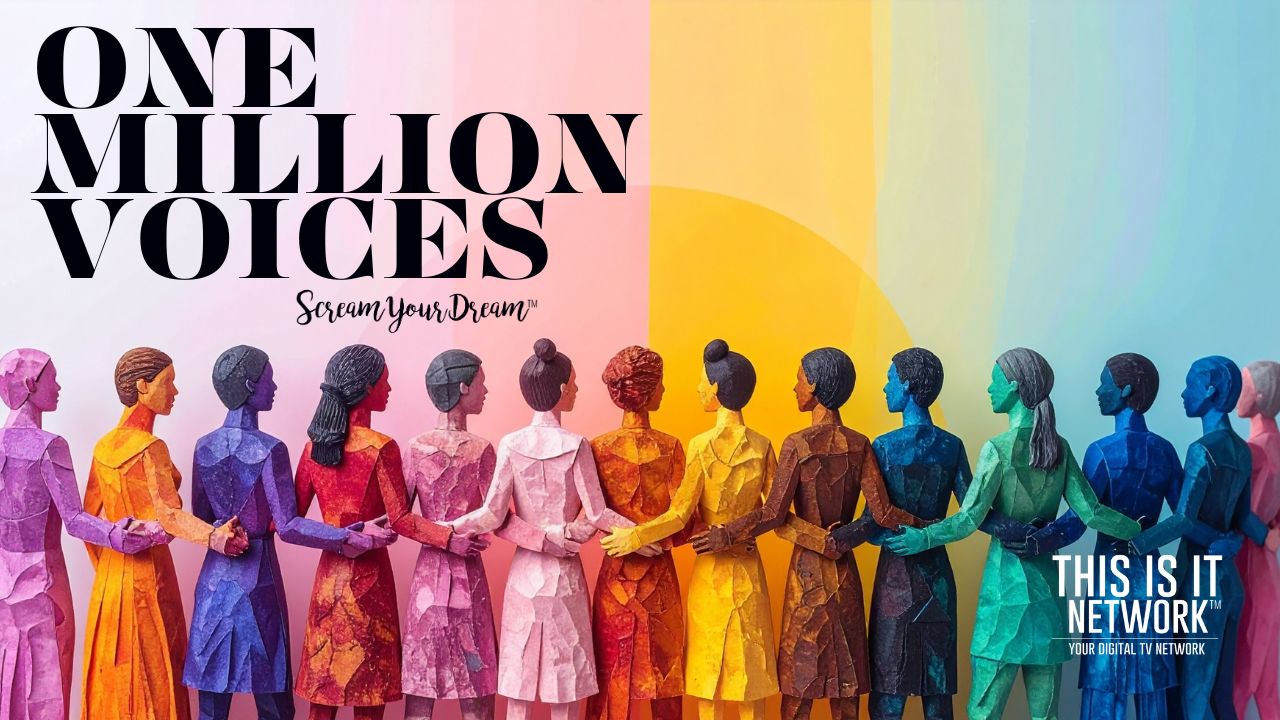
For individuals, it requires ownership: stepping into visibility, developing skills, and recognizing the value of their voice and perspective. At THIS IS IT NETWORK™, our SCREAM YOUR DREAM™ mission reinforces a fundamental truth: representation begins with recognition. When women understand their value and share their stories, they not only transform their own trajectories, they shape industries. Technology is not just the future. It is the present being built in real time. Ensuring that women are central to that process is not optional. It is essential.