

Luna Band: The Future of Wearable Technology Isn’t About Tracking; It’s About Guidance
The wearable technology industry has spent years helping us measure our lives through steps, sleep, heart rate, recovery scores, and activity tracking. While these tools have become increasingly sophisticated, many users still face the same challenge: what do we actually do with all of this information?
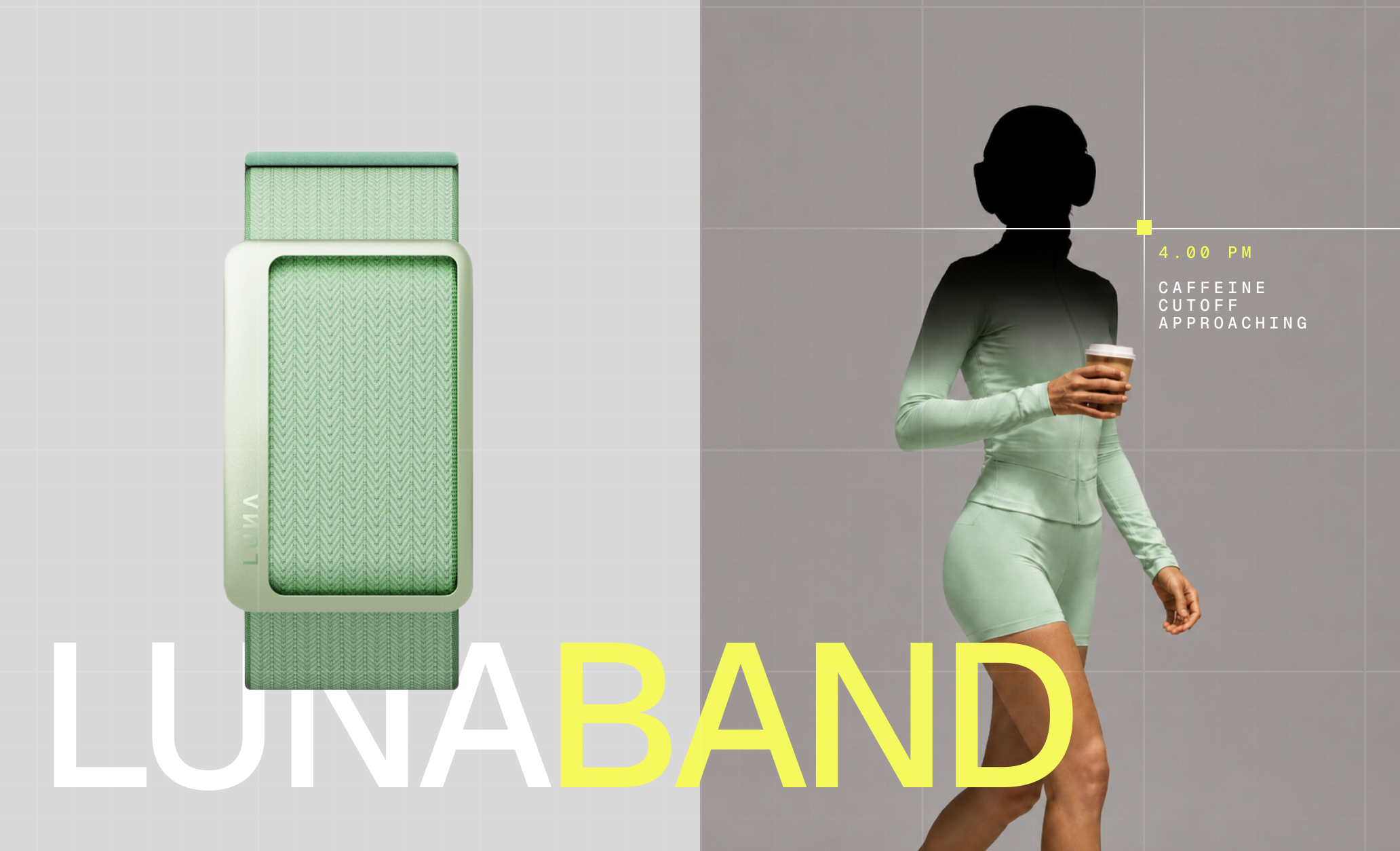
Luna believes the future of wearable technology is not about collecting more data, but about transforming that data into meaningful, personalized action. With the recent reveal of the Luna Band and its innovative LifeOS platform, the company is introducing a new vision for health technology that focuses less on tracking and more on guidance.
Today’s health-conscious consumers often find themselves managing multiple apps and platforms simultaneously. One app tracks sleep, another monitors workouts, another handles nutrition, while additional tools help manage supplements, stress, meditation, recovery, and medical information. Each platform may provide valuable insights, but very few communicate with one another.
As a result, the burden of connecting all of that information falls on the individual. Luna is taking a different approach by creating a unified system that brings those disconnected pieces together. Rather than offering another dashboard filled with charts and metrics, Luna has developed LifeOS, what it describes as an “App Store for the body,” designed to organize health information into practical guidance that supports everyday decision-making.
At the center of the Luna ecosystem is a growing library of health-focused micro-apps that support a variety of goals and lifestyle needs. These micro-apps cover areas such as stress management, calorie tracking, marathon training, jet lag management, supplement planning, chronic care journaling, and more. What makes LifeOS unique is that every micro-app operates from the same intelligence layer, drawing from continuous body signals collected by the Luna Band, daily lifestyle context, and blood marker data.
Instead of creating isolated recommendations, the platform allows insights to work together. Training data can influence nutritional guidance, sleep patterns can shape productivity recommendations, and blood markers can inform recovery plans. The result is a more complete picture of health that helps users make informed decisions without needing to interpret multiple systems themselves.
One of the most exciting aspects of Luna’s announcement is its commitment to personalization. The company plans to allow users to create their own micro-apps, tailored to specific goals, sports, health conditions, routines, or personal interests. This level of customization could significantly change how people engage with wearable technology. Rather than adapting their lives to fit a platform, users will be able to build experiences that reflect their individual needs. Whether someone wants to focus on women’s health, athletic performance, frequent travel, stress management, entrepreneurship, or chronic condition support, LifeOS aims to provide the tools necessary to create a personalized experience built around their unique lifestyle.
For our THIS IS IT NETWORK™ community, this innovation is particularly relevant. Women often balance multiple responsibilities as professionals, entrepreneurs, caregivers, community leaders, and decision-makers. Managing personal wellness can sometimes feel like another full-time job. Technology that simplifies health management, rather than adding complexity, has tremendous value. Luna’s vision centers on delivering actionable guidance at the right moment, helping users make better decisions throughout the day without requiring them to spend hours analyzing data. Quiet reminders, personalized recommendations, and context-aware insights have the potential to support healthier habits and more intentional living.
What Luna represents is part of a larger shift from health tracking to health intelligence. For years, wearable devices have excelled at telling us what happened. They can tell us how long we slept, how many steps we took, how our heart rate changed, or how well we recovered from a workout. The next generation of technology is focused on answering a different question: what should we do next? This evolution from information to implementation mirrors much of what we discuss through the SCREAM YOUR DREAM™ philosophy. Information alone rarely creates transformation. Meaningful growth happens when clarity is paired with intentional action. The same principle applies to health and wellness. Data becomes valuable when it helps people make better decisions and take meaningful steps toward their goals.
The response to Luna’s vision has already been significant. According to the company’s announcement, more than 100,000 individuals have joined the waitlist ahead of its first limited release. This strong interest suggests that consumers are ready for a more personalized and integrated approach to health technology. Luna has indicated that pre-orders will open on July 4, 2026, with the first invite-only devices expected to begin shipping on July 31, 2026.
Ultimately, the Luna Band is about more than a wearable device. It reflects a growing belief that the future of health technology will belong to platforms that help people understand and act on their data rather than simply collect it. As women continue to prioritize wellness, longevity, performance, and balance, tools that provide personalized guidance instead of overwhelming information will become increasingly important. We are excited to watch Luna’s journey and explore how innovations like LifeOS may help individuals create healthier, more intentional lives. The future may not be about knowing more about our bodies—it may be about finally understanding what our bodies are trying to tell us and having the confidence to act on that knowledge.
For more information on Luna Bands log log on to https://www.lunazone.com/