

The Power of Our Purchase: How Women Are Changing the Way We Shop, Eat and Dine
From Instacart and Uber Eats to Gopuff and our favorite neighborhood restaurants, the food and beverage industry is undergoing a transformation. As convenience, technology and consumer preferences reshape the marketplace, women’s purchasing influence is becoming an increasingly important business opportunity.
The way we purchase food has changed.
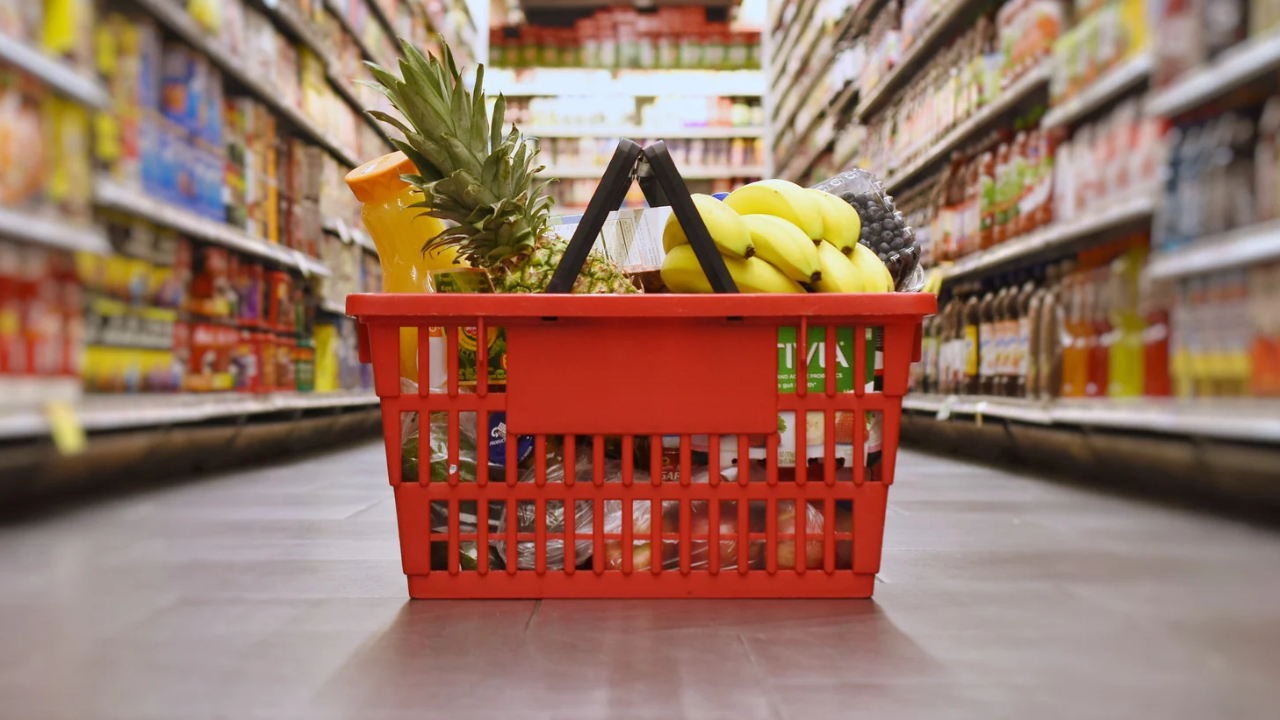
Grocery shopping no longer requires a trip to the supermarket. Dinner reservations compete with delivery apps. Our favorite beverages, snacks and household essentials can arrive at our doorsteps with just a few taps on a smartphone.
Platforms such as Instacart, Uber Eats and Gopuff have helped redefine how consumers discover, purchase and experience food and beverages.
For women managing demanding careers, growing businesses, families and busy schedules, these services offer something increasingly valuable: time, flexibility and choice.
But beyond convenience, this shift represents something much larger.
Every grocery order, restaurant reservation, coffee purchase and food delivery contributes to an enormous economic ecosystem. And the businesses that understand the preferences, priorities and purchasing habits of women have an opportunity to build stronger relationships with one of the marketplace’s most influential consumer audiences.
At THIS IS IT NETWORK™, we believe it is important to understand not only how women spend their money, but also how that spending creates opportunities for businesses, brands, entrepreneurs and communities.
Our purchasing decisions are more than transactions. They are signals about what we value, how we live and which businesses we want to support.
Convenience Is Changing Consumer Behavior
Not long ago, grocery shopping, restaurant dining and food delivery were largely separate experiences.
Today, the lines between them are disappearing.
Consumers can order ingredients for a home-cooked meal, purchase prepared food from a supermarket, schedule dinner delivery from a restaurant or request last-minute snacks and beverages through a convenience platform.
Companies are responding by expanding beyond their original business models.
Instacart has evolved from a grocery delivery service into a broader retail technology and advertising platform. In its 2025 shareholder report, the company reported that its platform had facilitated more than 1.6 billion lifetime orders, demonstrating the scale of consumer adoption.
Uber Eats, originally associated primarily with restaurant delivery, has continued expanding into grocery shopping and retail. In July 2025, the company announced additional partnerships with regional grocery chains, reflecting growing demand for convenient access to familiar retailers.
Meanwhile, Gopuff has developed a business centered on rapid delivery of everyday essentials, snacks, beverages and convenience products.
These platforms represent different approaches to a shared consumer expectation: purchasing food should fit into our lives, rather than requiring us to reorganize our lives around the purchase.
For busy women, that convenience can be particularly meaningful.
The ability to order groceries between meetings, arrange dinner while commuting or replenish household essentials without leaving home creates flexibility.
But convenience is not free. Delivery charges, service fees, tips and potential differences in product pricing can increase the total cost of an order.
As these services become more familiar, consumers are increasingly evaluating the relationship between convenience, affordability and value.
The Numbers Tell an Important Story
The transformation of food purchasing extends well beyond grocery delivery.
According to the National Restaurant Association’s 2025 Off-Premises Restaurant Trends report, nearly 75% of restaurant traffic occurs off-premises, including takeout, drive-thru and delivery.
The report also found that:
- 47% of adults purchase takeout at least once a week.
- 42% use a restaurant drive-thru weekly.
- 37% order restaurant delivery at least once a week.
These figures demonstrate that purchasing prepared food outside the traditional dining room is no longer an occasional alternative. It has become an established part of American consumer behavior.
The report also identifies speed, customer service, easy-to-use ordering technology, value and loyalty programs as important factors in attracting repeat customers.
For restaurant owners, grocery retailers and consumer brands, these findings underscore the need to meet customers where they are.
A wonderful dining experience still matters. So does an attractive retail environment.
But businesses must now consider how their products and services translate across in-person, digital, pickup and delivery experiences.
The customer relationship no longer begins and ends at the restaurant table or grocery store checkout.
Understanding the Influence of Women Consumers
Women play an important role in household purchasing, meal planning, grocery shopping, dining decisions and the discovery of food and beverage products.
However, their influence should not be reduced to a single stereotype or an unsupported claim that all women make the same purchasing decisions.
Women are business owners, executives, working professionals, parents, caregivers, students, athletes and independent consumers with different needs, budgets and lifestyles.
Some prioritize convenience because of demanding work schedules. Others focus on nutritional value, affordability, sustainability, cultural preferences or supporting locally owned businesses.
Many balance several of these priorities simultaneously.
This diversity creates opportunities for brands willing to listen carefully and develop products and experiences that respond to real consumer needs.
For example, a working mother may value a reliable grocery delivery service that simplifies weekly meal planning.
A young professional may discover a new restaurant through social media and place an order through a delivery platform.
An entrepreneur may choose a local café for business meetings, creating both a dining purchase and an opportunity for professional connection.
A health-conscious consumer may seek beverages and prepared meals that align with her nutritional preferences.
These decisions influence which products retailers stock, how restaurants design their menus, how brands communicate and where companies invest their marketing dollars.
The opportunity for food and beverage businesses is not simply to market to women as a broad demographic.
It is to understand the specific needs of different groups of women and create meaningful solutions.
Food Discovery Is Becoming a Media Experience
The way we discover food has changed almost as dramatically as the way we purchase it.
A restaurant recommendation may come from an Instagram video. A beverage brand may become popular through a creator’s product review. A recipe shared online can introduce consumers to unfamiliar ingredients and encourage an immediate grocery purchase.
Digital media has become an important part of the path from discovery to transaction.
For food and beverage companies, this creates new opportunities to connect content, advertising and commerce.
A consumer may first learn about a product through a trusted creator, research it through a brand’s website, read reviews and purchase it through a grocery delivery platform.
That journey may take only minutes.
For emerging brands, the ability to build awareness and establish credibility through digital storytelling can be especially valuable.
However, visibility alone does not guarantee sales.
Consumers still expect quality, fair pricing, reliability and a positive experience.
Brands must be prepared to deliver on the expectations created by their marketing.
At THIS IS IT NETWORK™, we recognize the value of connecting entertainment, education and authentic conversations with opportunities for brand discovery.
When businesses understand their audiences and communicate with intention, content can become a powerful bridge between consumer interest and meaningful economic activity.
What This Means for Restaurants and Local Businesses
The expansion of digital ordering creates both opportunities and challenges for restaurants.
Delivery platforms can introduce businesses to new customers, increase order volume and extend their reach beyond traditional foot traffic.
For an independent restaurant, that exposure can be particularly useful when entering a competitive market.
But participation also comes with costs.
Platform commissions, packaging expenses, operational demands and customer acquisition costs can place pressure on already narrow profit margins.
Restaurants must consider whether the additional revenue generated through third-party delivery translates into sustainable profitability.
This makes it increasingly important to develop multiple ways for customers to engage with a business.
An independent restaurant may benefit from maintaining a strong dine-in experience while also offering pickup, direct ordering, catering and carefully selected delivery partnerships.
Customer relationships should remain central to the strategy.
When someone discovers a restaurant through an app, the restaurant still has an opportunity to earn that customer’s loyalty through exceptional food, reliable service and a memorable brand experience.
For consumers, understanding these economics can also influence how we choose to support our favorite businesses.
Sometimes ordering directly from a restaurant or purchasing in person may help the business retain more revenue, although the financial impact depends on its particular costs and arrangements.
Our purchasing power can support convenience while also contributing to the sustainability of local businesses.
New Opportunities for Female Founders
The changing food and beverage marketplace is creating opportunities for women entrepreneurs across multiple industries.
A founder developing a packaged food product may now have access to online marketplaces, direct-to-consumer sales and retail partnerships that were previously difficult to establish.
A woman-owned beverage company can introduce its products through creator collaborations, digital advertising, local events and targeted retail promotions.
A chef can build a recognizable personal brand through social content, catering, cooking demonstrations and partnerships with established businesses.
A restaurant owner can use customer feedback and purchasing data to refine her menu, introduce new products and develop additional revenue streams.
These opportunities also extend beyond food production.
Women entrepreneurs are building businesses in food photography, hospitality technology, event production, nutrition education, packaging, marketing and restaurant consulting.
The broader food economy offers numerous ways to participate.
However, growth requires more than a compelling product or a popular social media presence.
Founders must understand pricing, margins, distribution, inventory management, customer acquisition and repeat purchasing.
The most successful businesses will be those that connect a clear consumer need with a financially sustainable business model.
For women building brands in food and beverage, understanding how customers discover and purchase products is becoming essential.
The Importance of Value and Trust
Convenience may attract a customer, but value and trust encourage that customer to return.
The National Restaurant Association’s research found strong interest in discounts, meal bundles, loyalty programs and other incentives that make off-premises dining more affordable.
In fact, approximately eight in ten off-premises customers expressed interest in various value-oriented offers.
Uber Eats’ grocery initiatives also reflect this emphasis on affordability, with promotional programs designed to encourage grocery purchases through its platform.
These developments reveal an important consumer reality.
People may appreciate convenience, but they still care about how much they spend.
For food and beverage brands, transparency is especially important.
Consumers want to understand the cost of a purchase, the quality of the product and the reliability of the service.
Unexpected fees, inaccurate orders, disappointing packaging or poor customer support can quickly undermine trust.
For businesses hoping to build long-term relationships with women consumers, the priority should be delivering consistent value rather than relying exclusively on promotional campaigns.
Our Dollars Can Strengthen Our Communities
Food is more than a product category.
It is connected to culture, family traditions, health, hospitality, entrepreneurship and community.
The restaurants we visit, grocery stores we support and products we purchase all contribute to a larger economic network.
That network includes farmers, food manufacturers, delivery workers, retail employees, chefs, restaurant owners, distributors and countless small businesses.
Our purchasing decisions can help shape which businesses grow and which products become more widely available.
Supporting women-owned restaurants and food brands is one way to direct consumer spending toward businesses that may face additional challenges in accessing capital, distribution and visibility.
Choosing independent neighborhood establishments can also help sustain local employment and preserve the character of our communities.
At the same time, thoughtful purchasing does not mean consumers must sacrifice affordability or convenience.
It means recognizing that we have choices and understanding how those choices can create economic impact.
Whether ordering groceries online, meeting friends for dinner, purchasing a new beverage or discovering a local food entrepreneur, we participate in an interconnected marketplace.
What Food and Beverage Brands Need to Understand
As consumer purchasing continues to evolve, food and beverage companies have an opportunity to rethink how they engage women.
Traditional advertising may build awareness, but meaningful relationships require a deeper understanding of consumer behavior.
Brands should be paying attention to how women discover new products, which platforms influence their purchasing decisions and what motivates them to become repeat customers.
They should also consider how lifestyle, family responsibilities, professional demands and personal priorities affect shopping and dining habits.
Convenience, affordability, quality and community are not competing priorities. They are often interconnected.
A brand that understands these relationships can develop more relevant products, improve its customer experience and create stronger marketing partnerships.
For businesses seeking to reach women leaders, executives and entrepreneurs, this also creates an opportunity to move beyond impressions and develop genuine connections.
The goal should not simply be to appear in front of women consumers.
The goal should be to understand them, serve them and earn their continued business.
The Future of Food Is About More Than Delivery
Instacart, Uber Eats and Gopuff are examples of how technology is reshaping the food and beverage marketplace.
But the larger transformation is not about any single company or app.
It is about changing expectations.
Consumers increasingly want flexibility, personalized choices, convenience, affordability and the ability to discover products that reflect their interests and lifestyles.
For women, these developments can create greater control over how they manage time, make purchasing decisions and support the businesses they value.
For female founders, they create opportunities to develop products, build audiences and participate in an evolving economy.
For restaurants and consumer brands, they reinforce the importance of understanding who their customers are and how their needs are changing.
At THIS IS IT NETWORK™, we believe women’s economic influence deserves greater attention across every industry, including food, beverage and dining.
Our mission is to empower remarkable women to SCREAM YOUR DREAM™ through entertainment, events and education, fueled by content, community and connection.
As the way we shop, eat and dine continues to evolve, there is an important conversation to be had about the relationship between consumer behavior, business growth and community impact.
Because our buying power is not simply about how much we spend. It is about the businesses we support, the opportunities we create and the influence we have on the marketplace.
THIS IS IT NETWORK™ | Beyond Impressions. Into Impact.