
The Art of the Pop-Up: How Female Founders Can Create Experiences That Build Community, Drive Sales and Protect Their Brand
As experiential marketing becomes an increasingly important business growth strategy, the conversation surrounding Good American’s New York City pop-up offers a timely reminder: creating excitement is only the beginning. Delivering an exceptional customer experience is what makes an activation successful.
In today’s competitive marketplace, brands are discovering that sometimes the most effective way to connect with customers is to step away from the screen and meet them in person.
From temporary retail shops and product launches to branded lounges, interactive experiences and community gatherings, pop-up activations are becoming a valuable way for businesses to introduce products, create memorable moments and establish meaningful relationships with their audiences.
For female founders, these experiences represent an opportunity to bring a brand to life beyond its website, social media presence or traditional advertising campaign.
But a successful pop-up requires much more than an attractive venue, an impressive guest list and a clever promotional campaign.
It requires a clear purpose, thoughtful preparation, realistic expectations and an experience that makes customers feel valued.
The recent conversation surrounding Good American’s New York City activation illustrates why those details matter.
When the Pop-Up Becomes the Conversation
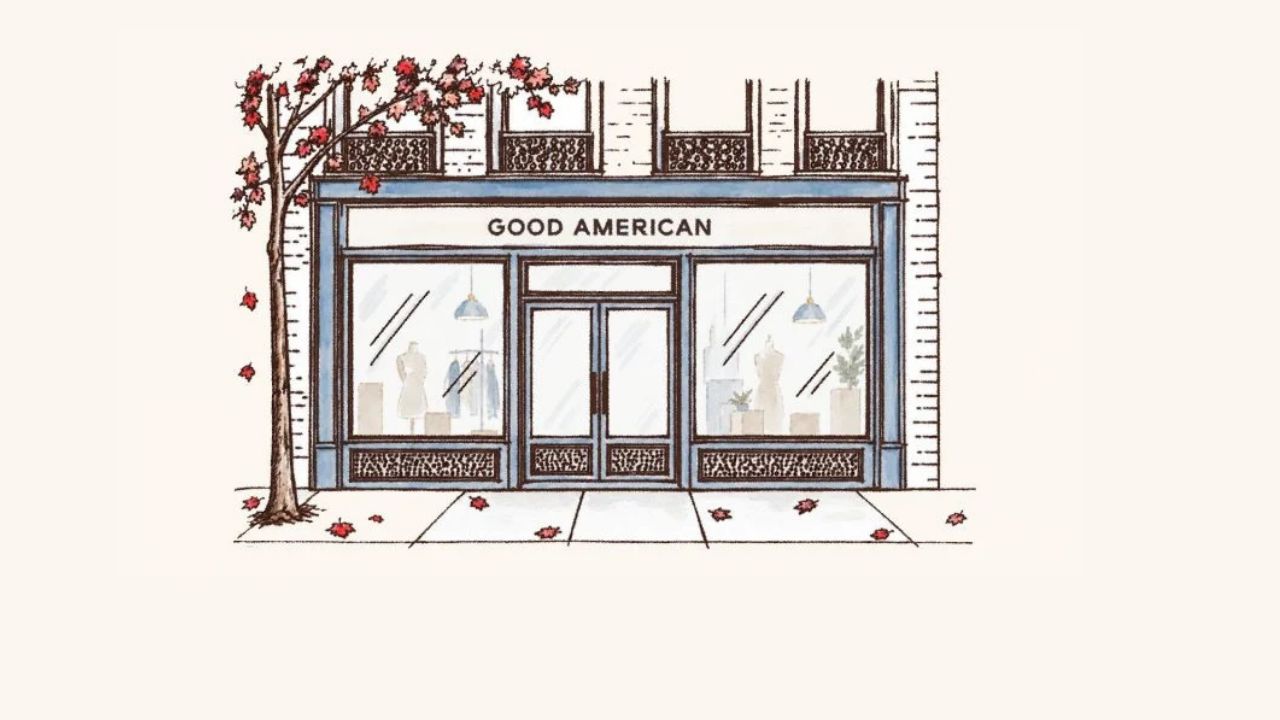
Founded by Emma Grede and Khloé Kardashian, Good American has built a recognizable fashion brand around inclusive sizing, confidence and a commitment to helping women feel represented.
To celebrate its tenth anniversary, the company introduced a four-day pop-up in New York City’s SoHo neighborhood, scheduled for October 15–18, 2026. According to Glossy, the experience was designed to showcase the brand’s expanded product offerings and provide customers with an opportunity to interact with Good American in a dedicated physical retail environment.
The activation included opportunities to meet co-founder and CEO Emma Grede, limited promotional giveaways, special programming and branded experiences.
However, the event has also generated online criticism, with some social media users expressing frustration over lines, expectations surrounding invitations and confusion about the nature of the experience.
These reactions have surfaced in online discussions, including Reddit conversations about the pop-up. Such posts reflect individual accounts and interpretations, not independently verified findings about the event’s overall operations or guest experience.
There is an important distinction between a poorly executed event and an event that generates expectations its organizers may not have intended.
And that distinction is exactly where the larger lesson begins.
For founders planning their own activations, the question is not whether a brand can attract a crowd.
The question is whether the brand is prepared to deliver the experience that crowd believes it has been promised.
Why Experiential Marketing Is Becoming a Business Essential
Consumers are exposed to countless digital advertisements, sponsored posts, emails and promotional campaigns every day.
While digital marketing remains essential, businesses are increasingly recognizing the value of creating physical experiences that allow customers to see, touch, taste, test and interact with products and services.
According to EMARKETER, 41% of U.S. advertising buyers expect to increase spending on in-person and experiential marketing in 2026.
Additional research released in September 2026 by the Out of Home Advertising Association of America and The Harris Poll found that 73% of surveyed adults ages 18–64 prefer products or retailers that engage consumers through in-person experiences or local outdoor events.
Among respondents who had attended a live marketing experience, 40% reported making a purchase, while 33% reported posting about the experience on social media.
These findings suggest that in-person experiences can influence customer behavior beyond the event itself.
For women entrepreneurs, this presents an opportunity to connect brand awareness with measurable business outcomes.
A thoughtfully planned activation can introduce a new product, generate revenue, expand an email list, deepen customer loyalty, attract potential partners and produce valuable content for future marketing.
But to achieve those results, the event must be designed as a business strategy—not simply a social occasion.
Start With the Goal, Not the Guest List
One of the most common mistakes businesses make when planning a pop-up is beginning with the appearance of the event rather than its purpose.
It is easy to become excited about the venue, décor, branded merchandise, entertainment and influencer invitations before determining what the business actually needs to accomplish.
A founder should begin by asking one essential question: What do we want this activation to achieve?
Perhaps the objective is to generate $10,000 in direct sales, introduce a new collection to 300 potential customers, recruit 100 new subscribers or establish relationships with local retailers and corporate partners.
Each of those goals requires a different experience.
A sales-focused activation needs accessible merchandise, knowledgeable staff, clear pricing and an efficient checkout process. A community-building event may prioritize conversations, workshops and opportunities for attendees to connect. A media-driven activation may require designated interview areas, creator programming and professional content capture.
Trying to accomplish everything without establishing priorities can lead to a confusing experience for both the team and its guests.
Successful activations begin with clear business objectives and measurable expectations.
Know Exactly Who You Are Inviting
Every successful event starts with an understanding of its audience.
Your loyal customers, potential customers, influencers, media representatives, corporate partners and general visitors may all have different reasons for attending.
Those differences matter.
An invitation to an exclusive creator preview communicates something very different from an announcement promoting a public shopping experience.
Similarly, an RSVP does not necessarily guarantee admission, a gift, a private appointment or special treatment unless those benefits have been explicitly communicated.
When promotional messaging is unclear, customers may develop expectations that the actual event cannot meet.
For female founders, the solution is straightforward: communicate precisely.
If an event is open to the public, say so. If attendance is limited, explain the capacity. If an RSVP is required but does not guarantee entry, make that distinction visible before guests travel. If complimentary products are available only to the first 50 visitors, state that clearly.
If creators are being invited as promotional partners, establish whether the relationship includes compensation, products, content expectations, special access or simply an invitation to attend.
Clarity does not diminish excitement.
It establishes trust.
Design the Experience Around the Customer
The most successful pop-ups are not necessarily the most expensive or elaborate.
They are the experiences that make attendees feel welcomed, engaged and connected to the brand.
Consider what customers will encounter from the moment they discover the event until the moment they leave.
Is the registration process simple? Are directions and parking information readily available? Will someone greet attendees? Is the space accessible? Can guests understand what is happening without repeatedly asking for assistance?
These operational details may seem less exciting than an Instagram-worthy installation, but they directly influence how customers remember the experience.
A beautiful event that requires guests to wait in long lines without information, struggle to locate merchandise or navigate unclear instructions can quickly become frustrating.
Conversely, a modest activation with excellent service, engaging demonstrations and thoughtful interactions can create meaningful customer loyalty.
The objective should be to make the customer feel that the experience was worth her time.
Prepare for the Crowd You Hope to Attract
Generating demand is exciting. Managing that demand is a responsibility.
When a brand promotes an event through influencers, email marketing, social media and public relations, attendance can become difficult to predict.
Founders should prepare for both lower-than-expected turnout and unexpected popularity.
That preparation includes understanding venue capacity, staffing requirements, checkout volume, product inventory, giveaway quantities and guest flow.
For high-interest activations, timed entry, confirmed appointment windows, separate media or creator sessions and clear queue-management procedures can help prevent confusion.
Businesses should also establish a plan for communicating delays, reaching capacity or running out of promotional products.
A guest who cannot enter an event may still remain a loyal customer if the situation is handled with respect and transparency.
But a guest who feels misled or ignored may share that disappointment with a much larger audience.
The goal is not simply to create demand. It is to be prepared to serve the demand you create.
Remember That Every Attendee Is a Potential Customer
Influencer partnerships and celebrity appearances can generate substantial attention for a pop-up.
However, founders should be careful not to design an experience that makes everyday customers feel less important than invited personalities.
Your most valuable attendees may not have thousands of social media followers.
They may be repeat purchasers, local supporters, newsletter subscribers or women who have recommended your products to friends for years.
These individuals contribute to the long-term health of a business.
A successful activation should recognize the value of both influential voices and loyal customers.
Consider offering early access to existing customers, exclusive opportunities for community members or small gestures of appreciation for repeat buyers.
These experiences reinforce an important message: the people who support your brand matter.
Visibility can attract attention, but loyalty sustains businesses.
Build the Budget Around the Return
Pop-ups can become expensive quickly.
Venue rentals, insurance, permits, staffing, transportation, product samples, displays, production, security, photography, promotional materials and technology all contribute to the final cost.
For small businesses, those expenses can create significant financial pressure.
Before committing to an activation, founders should establish a realistic budget and identify which expenses are essential to achieving the event’s primary objective.
A temporary retail experience designed to generate direct sales should have a revenue target and a realistic estimate of the sales required to recover its costs.
An awareness-focused activation may require a different measurement model, including qualified leads, customer acquisition costs, content production value and subsequent sales.
Founders should also explore partnerships with complementary businesses that can contribute products, services, locations or promotional support.
A beauty brand might collaborate with a wellness company. A fashion business could partner with a local café. A professional services company might host a workshop with an established community organization.
The right partnerships can expand reach while helping distribute costs.
However, every collaboration should have clear responsibilities, agreed-upon deliverables and a shared understanding of what success looks like.
Create Moments Worth Sharing, Not Just Photographing
Social media has transformed the way businesses approach experiential marketing.
Brands often invest heavily in visual installations because they want attendees to photograph and share their experiences.
That strategy can be effective, but it should not become the entire purpose of the activation.
A beautifully branded backdrop may encourage a social media post. A meaningful interaction can encourage a long-term relationship.
Think about how guests can actively participate in the brand experience.
A skincare company might offer consultations and product demonstrations. A fashion label could provide styling appointments. A food brand might host guided tastings. An educational business could offer short workshops or interactive learning sessions.
These experiences give attendees something valuable beyond a photograph.
They also create more authentic opportunities for social storytelling because customers are sharing what they learned, discovered or enjoyed.
The best content often comes from a genuinely positive experience rather than an elaborate promotional display.
Have a Plan for When Things Go Wrong
Even the most carefully organized event can encounter unexpected challenges.
Weather conditions change. Vendors arrive late. Technology fails. Merchandise sells out. Guest attendance exceeds projections.
The difference between a manageable problem and a public relations issue often comes down to preparation and communication.
Founders should designate a decision-maker who can respond quickly to operational challenges. Staff should understand how to address customer complaints, explain delays and escalate concerns.
Before the event, teams should establish contingency plans for crowd management, inventory shortages, accessibility issues, technical problems and emergency situations.
If something does go wrong, acknowledge the issue promptly and communicate what guests can expect next.
An apology, an accurate update and a practical solution can do more to protect customer relationships than attempting to minimize legitimate concerns.
Customers do not necessarily expect perfection.
They do expect professionalism, honesty and respect.
The Real Opportunity Begins After the Pop-Up
Too many businesses invest substantial time and resources in producing an event but give insufficient attention to what happens afterward.
The activation ends, the photographs are posted, and the team moves on to the next campaign.
That approach overlooks some of the most valuable opportunities experiential marketing creates.
A successful pop-up should become the beginning of an ongoing customer relationship.
Follow up with attendees. Thank them for participating. Share photographs and highlights. Provide an opportunity to purchase products they discovered at the event. Invite them to subscribe to your newsletter, join your community or attend future experiences.
For business-to-business activations, schedule follow-up conversations with prospective partners and qualified leads.
Gather feedback from guests and staff while the experience is still fresh.
Review what worked, what did not and what should change before the next activation.
According to Shopify’s pop-up marketing guidance, businesses should approach activations as three connected stages: pre-launch, the live experience and post-event engagement.
The value of an activation should not disappear when the temporary space closes.
It should continue through the relationships, sales opportunities and community connections that follow.
Measuring What Really Matters
A crowded event is not automatically a successful event.
A viral social media moment does not necessarily generate revenue. Thousands of impressions do not guarantee customer loyalty.
Founders should evaluate their activations using metrics that reflect the original business objectives.
These may include attendance, purchases, total revenue, average order value, new customer acquisition, email sign-ups, qualified leads, social engagement, content creation and post-event conversions.
Customer feedback should also be part of the evaluation.
Did attendees understand the purpose of the event? Did they feel welcomed? Would they recommend the experience? Are they more likely to purchase from the brand?
Research highlighted by BizBash identifies measures such as dwell time, social engagement and other participation indicators as useful ways to evaluate pop-up performance.
For female founders, the most important lesson is to establish these measurements before the event begins.
When success is clearly defined, every aspect of the activation can be designed to support it.
The Future of Experiential Marketing Belongs to Brands That Build Relationships
As businesses continue exploring ways to connect with customers beyond traditional digital advertising, experiential marketing offers an increasingly valuable opportunity.
For female founders, a pop-up can be much more than a temporary retail location.
It can become a space for storytelling, education, collaboration, community building and meaningful business development.
But the strongest activations will not be defined solely by the celebrities who attend, the number of people waiting outside or the social media attention they generate.
They will be defined by the quality of the experience and the relationships that continue long after the event ends.
The conversation surrounding Good American’s New York City pop-up is a timely reminder that customer expectations must be managed with the same care as marketing campaigns.
Creating excitement is an achievement.
Delivering on that excitement is a responsibility.
At THIS IS IT NETWORK™, we believe events are an essential part of connecting remarkable women to meaningful opportunities through entertainment, education and community.
Whether you are planning your first small-business pop-up or developing a national experiential campaign, remember that every activation is an opportunity to demonstrate your brand’s values in real life.
Plan with purpose. Communicate clearly. Respect your audience. Measure your impact. And never sacrifice customer trust for temporary attention.
Because the perfect pop-up is not the one everyone talks about for a day.
It is the one your customers remember, recommend and return to long after the doors close.
THIS IS IT NETWORK™ | Beyond Impressions. Into Impact.