


Where Are Our Tea Gals?
6 Favorite Types of Tea and Their Potential Benefits
Are you a coffee woman or a tea woman?
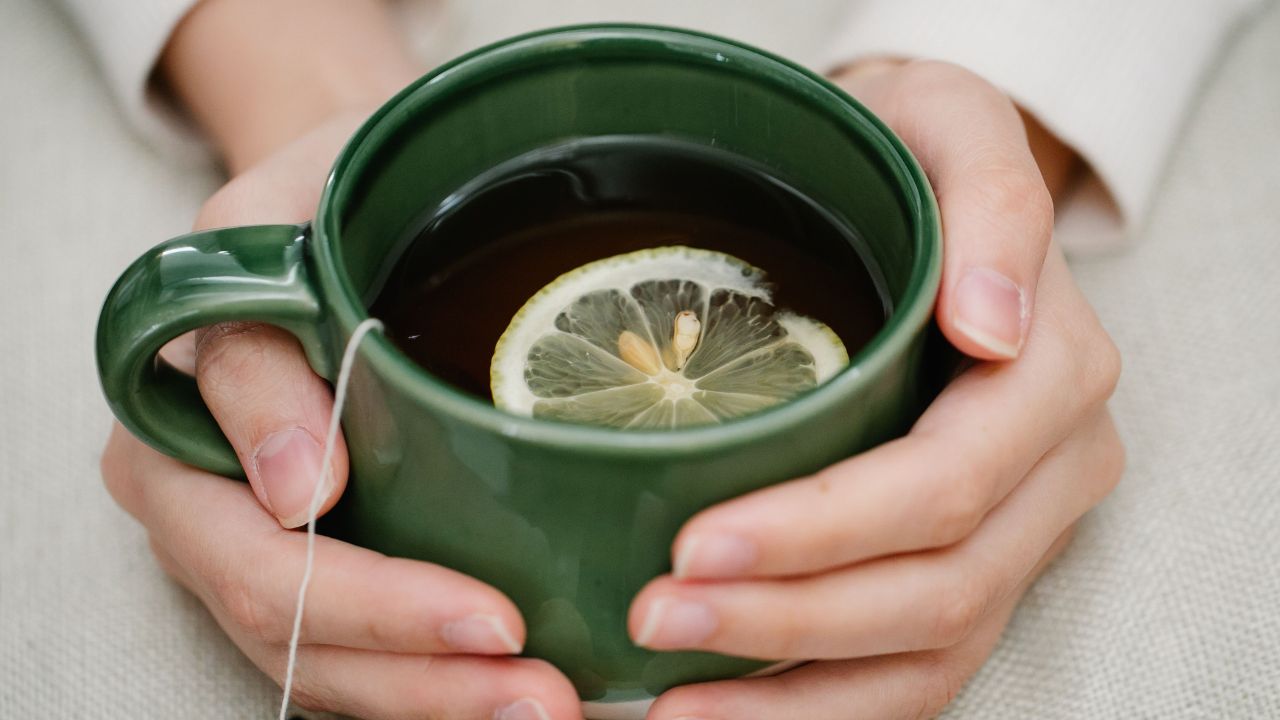
There is something about a good cup of tea that feels like a pause button. Maybe it is the warmth of the mug in your hands, the aroma before the first sip or the simple ritual of taking a few minutes to sit down and enjoy it. For busy women who spend much of their days moving from meeting to meeting, answering messages, building businesses, taking care of families and managing everyone else’s needs, that little pause can be valuable.
But tea is more than a comforting ritual. Tea contains naturally occurring plant compounds, including polyphenols, that have been studied for their potential relationship to heart health and other aspects of wellness. Green, black, oolong and white tea all come from the same plant, Camellia sinensis, but they are processed differently. Herbal teas, technically called herbal infusions or tisanes, are made from other plants and ingredients.
Research does not support treating tea like a miracle cure. In fact, the National Center for Complementary and Integrative Health notes that many of the health claims surrounding tea remain inconclusive. But there is enough evidence to make tea an interesting addition to an overall healthy lifestyle, particularly when you choose unsweetened varieties and enjoy them as part of a balanced diet.
So, where are our tea gals?
Here are six of our favorite varieties to know about.
1. Green Tea: The Focus Friend
Green tea may be one of the most talked-about teas when it comes to wellness. Made from the Camellia sinensis plant without the same level of oxidation used to produce black tea, green tea retains a high concentration of catechins and other polyphenols. These compounds are one reason researchers have been interested in green tea’s potential cardiovascular benefits.
For busy women, green tea can also be an appealing alternative to another cup of coffee because it contains caffeine, although generally less than coffee. That combination can provide a gentle source of alertness, while tea also contains L-theanine, an amino acid that has been studied for its relationship to attention and relaxation. Research into these effects is ongoing, so think of green tea as a beverage that may support alertness and a healthy lifestyle, not a magic energy or weight-loss solution.
And one important reminder: despite all the marketing surrounding “detox” and weight-loss teas, NCCIH says green tea has not been shown to be effective for weight loss. Drinking the beverage is also very different from taking concentrated green tea extracts, which can have safety concerns and medication interactions.
2. Black Tea: The Classic Cup
If your perfect morning starts with a strong cup of tea, black tea may be your girl.
Black tea is made from the same plant as green tea, but the leaves undergo greater oxidation, giving the tea its darker color and stronger flavor. It contains flavonoids and other polyphenols that have been studied for their potential cardiovascular benefits. Harvard Health reports that research has associated regular consumption of black and green tea with favorable cardiovascular risk factors, although observational research cannot prove that tea itself is responsible for those outcomes.
Black tea also contains caffeine, making it a popular choice for women who want a warm morning ritual with some stimulation. English Breakfast, Earl Grey, Darjeeling and Assam are all examples of black tea varieties that can be enjoyed plain or with a splash of milk.
For the woman who wants her morning beverage to feel both comforting and energizing, black tea is a classic for a reason.
3. Oolong Tea: The Middle Ground
Oolong is sometimes overlooked, but tea lovers know it deserves a place at the table. It falls somewhere between green and black tea because its leaves are partially oxidized. That gives oolong a wide range of flavors, from light and floral to rich and roasted.
Oolong also contains polyphenols, and research has explored its potential relationship with cardiovascular health and metabolic health. Harvard’s Nutrition Source notes that observational research has linked regular oolong consumption with cardiovascular outcomes, although, as with other teas, more research is needed to establish cause and effect.
For women who want something different from their everyday green or black tea, oolong offers a sophisticated middle ground. It can be an afternoon ritual, a replacement for a second cup of coffee or simply a new flavor to explore.
4. Chamomile: The Wind-Down Cup
Now we get to the tea that seems almost synonymous with relaxation: chamomile.
Chamomile has a long history of traditional use and is commonly enjoyed in the evening. It is naturally caffeine-free, which makes it a popular choice for women who want a warm beverage without adding caffeine later in the day.
There is some preliminary research suggesting chamomile preparations may have benefits related to anxiety, but the evidence is not conclusive. NCCIH also notes that there is not enough reliable evidence to determine whether chamomile tea specifically improves insomnia.
So rather than promising that chamomile will “cure” your sleep problems, think about it as part of a calming bedtime ritual. Turn off the television. Put down the phone. Make your tea. Sit quietly for a few minutes. Take a breath.
Sometimes the ritual itself is part of the benefit.
5. Peppermint Tea: Freshen Up Your Routine
Peppermint tea is another naturally caffeine-free favorite, particularly for women who enjoy a refreshing flavor after a meal.
Peppermint has traditionally been used for digestive discomfort, although much of the stronger research has focused on peppermint oil rather than peppermint tea itself. That distinction matters. We should not assume that evidence for a concentrated peppermint oil product automatically applies to a cup of peppermint tea.
Still, peppermint tea can be a refreshing, naturally caffeine-free addition to your beverage rotation. It can also be a great alternative when you want something flavorful without reaching for a sugary drink.
And let’s be honest: sometimes a cup of hot peppermint tea after dinner simply feels good.
6. Ginger Tea: A Little Zing
Ginger tea brings something different to the cup: a warm, spicy flavor along with a long history of traditional use.
Ginger has been studied for nausea and digestive symptoms, although research often focuses on ginger itself or concentrated preparations rather than a standard cup of ginger tea. That means it is important not to overstate what your tea can do.
What you can say is that ginger is a flavorful, caffeine-free option that many people enjoy after meals or when they want something warming and soothing. Add lemon for brightness, or a small amount of honey if you prefer a little sweetness.
For the woman who wants her tea with a little personality, ginger brings the zing.
So, What Is Your Tea?
One of the best things about tea is that there is no single “right” tea.
Maybe you are a green tea woman who needs a little morning focus. Maybe black tea is your daily ritual. Perhaps oolong is your afternoon discovery. Maybe chamomile is waiting for you at the end of a long day. Or perhaps peppermint and ginger are your go-to choices when you want something warm, flavorful and caffeine-free.
The bigger benefit may be the ritual itself.
In a culture that constantly tells women to move faster, produce more and squeeze another task into the day, sitting down with a cup of tea gives us an opportunity to pause. It can be a moment to breathe, reconnect with ourselves and simply enjoy something without turning it into another productivity exercise.
And that matters.
Tea should not replace a nutritious diet, regular movement, adequate sleep or appropriate medical care. It is also worth remembering that caffeinated teas can affect people differently, and some teas and concentrated herbal products can interact with medications. If you take medication, are pregnant or breastfeeding, or have a health condition, check with your healthcare professional before using herbs or concentrated tea products regularly.
For everyday drinking, keep it simple. Choose teas you genuinely enjoy, watch the added sugar and make the ritual part of your day.
Wellness doesn’t have to be complicated. Sometimes it can be as simple as putting the kettle on.