

GOOD NEWS, COFFEE LOVERS: Your Daily Cup May Be Doing More Than Waking You Up
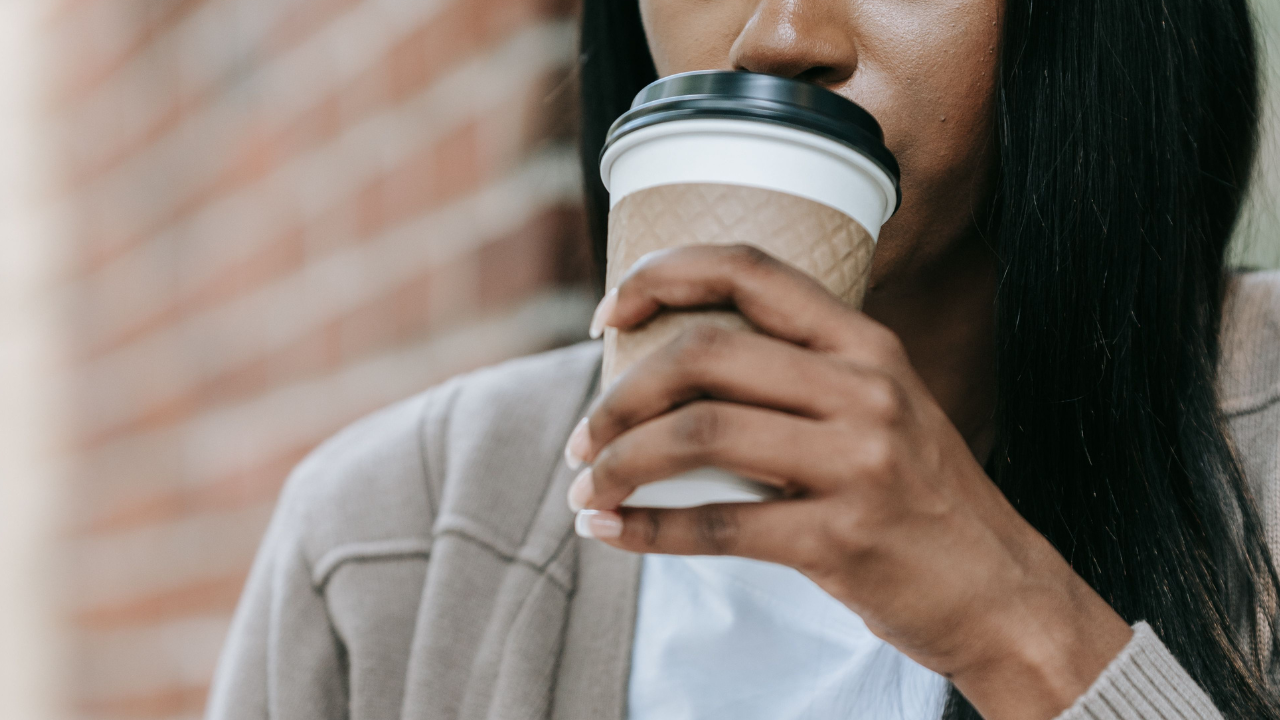
For many women, coffee is more than a beverage. It is the beginning of the morning routine, the companion to a busy commute, the reason for meeting a friend, or the few quiet minutes we claim before the rest of the day begins. And now, emerging research is giving coffee lovers another reason to enjoy that familiar morning cup.
A large study examining the health and habits of more than 47,000 women over approximately three decades found that moderate consumption of caffeinated coffee during midlife was associated with a greater likelihood of healthy aging. The research used data from the long-running Nurses’ Health Study and examined women who were between 45 and 60 when their midlife dietary habits were assessed. Researchers defined healthy aging as reaching at least age 70 while remaining free from 11 major chronic diseases and maintaining good physical, cognitive, and mental health.
The findings are particularly interesting for women. Researchers found that women who consumed moderate amounts of caffeinated coffee during midlife were more likely to meet those healthy-aging benchmarks later in life. Each additional small cup of caffeinated coffee per day was associated with approximately a 2% to 5% greater likelihood of healthy aging, with the researchers emphasizing moderate consumption rather than suggesting that more coffee is always better.
There is an important distinction: this research found an association, not proof that coffee itself causes women to age more successfully. The study was observational, relied in part on self-reported dietary information, and when the findings were announced, they had been presented at the American Society for Nutrition’s Nutrition 2025 meeting rather than published as a peer-reviewed clinical trial. Still, the findings add to a larger and increasingly interesting conversation about coffee and health.
COFFEE IS MORE THAN CAFFEINE
When we think about coffee, we tend to think first about caffeine. But coffee is a complex beverage containing numerous naturally occurring compounds, including polyphenols and other antioxidants.
These compounds are one reason researchers continue to investigate coffee’s potential relationship with inflammation, oxidative stress, metabolism, cardiovascular health, and other aspects of long-term wellness. The new healthy-aging research is especially intriguing because the same association was not found with caffeinated tea, decaffeinated coffee, or soda. That raises an interesting possibility that coffee’s potential benefits may involve more than caffeine alone.
A LITTLE HELP WITH ENERGY + ALERTNESS
Of course, the most immediate reason many of us reach for coffee is much simpler: we want to wake up.
Caffeine is a stimulant, which is why a morning cup can temporarily increase alertness and help us feel less tired. For women juggling careers, businesses, families, workouts, travel, and seemingly endless to-do lists, that familiar boost can be one of coffee’s most appreciated effects.
But energy from caffeine should not become a substitute for adequate sleep. If your afternoon coffee keeps you awake at night, any potential benefit can quickly become counterproductive. Paying attention to both how much caffeine you consume and when you consume it matters.
COFFEE + HEALTHY AGING
Perhaps the most compelling part of the new research is how broadly researchers defined healthy aging. They weren’t simply asking whether women lived longer. They were interested in whether women reached older age while maintaining their physical health, cognitive abilities, mental well-being, and freedom from major chronic diseases.
That distinction matters.
At THIS IS IT NETWORK™, we talk frequently about women having the energy, confidence, and resources necessary to continue doing the things they love. Longevity is important, but so is the quality of those additional years. We want to continue traveling, building businesses, enjoying our families, creating, learning, connecting, and contributing to our communities.
Research exploring how everyday lifestyle choices may support that kind of aging deserves our attention.
HOW MUCH COFFEE ARE WE TALKING ABOUT?
The message is moderation.
The researchers emphasized that their findings shouldn’t be interpreted as encouragement to start drinking coffee solely for health reasons or to consume increasingly large amounts. The association they observed was consistent with moderate caffeinated coffee consumption, approximately one to three cups per day.
And cup size matters. A “cup” in research doesn’t necessarily mean the enormous tumbler accompanying us through the morning.
Caffeine content can vary considerably depending on the type of coffee, serving size, brewing method, and brand. Your body matters too. Some people metabolize caffeine differently or are simply much more sensitive to it.
WHAT YOU PUT IN YOUR COFFEE MATTERS TOO
There can also be a significant nutritional difference between drinking coffee and drinking a coffee-flavored dessert.
Adding a small amount of milk or your preferred creamer is one thing. Large specialty beverages containing significant amounts of added sugar, syrups, whipped toppings, and other additions can dramatically change the nutritional profile.
If you’re drinking coffee as part of a health-conscious lifestyle, pay attention to what goes into the cup. You don’t necessarily have to drink it black, but knowing how much added sugar you’re consuming throughout the day is worthwhile.
COFFEE ISN’T FOR EVERY WOMAN
One of the most important lessons in wellness is that what works beautifully for one woman may not work for another.
Caffeine can interfere with sleep and may worsen symptoms for people who are particularly sensitive to it. Individual health conditions and medications can also affect whether caffeine is appropriate, so women with concerns should speak with their healthcare professional.
Pregnancy deserves particular attention. The American College of Obstetricians and Gynecologists advises pregnant women to keep caffeine consumption below 200 milligrams per day, including caffeine from coffee, tea, chocolate, soft drinks, and other sources.
So, as with most things related to health, more is not necessarily better.
THE COFFEE BREAK MAY BE ABOUT MORE THAN THE COFFEE
There is another benefit that doesn’t require a laboratory to appreciate: connection.
“How about we grab a coffee?” has launched countless friendships, mentoring relationships, business meetings, first dates, brainstorming sessions, and much-needed conversations.
Coffee creates a natural reason to sit down.
For busy women who spend much of their lives moving from one responsibility to another, the coffee break can provide something equally valuable: a pause. Ten minutes with a colleague. Thirty minutes with a girlfriend. A quiet morning cup before everyone else wakes up. A meeting with someone we’ve been meaning to reconnect with.
The beverage may bring us to the table, but often the conversation is what keeps us there.
SO, SHOULD WE KEEP DRINKING OUR MORNING COFFEE?
If you already enjoy coffee, tolerate caffeine well, and consume it in moderation, emerging research provides another reason to feel good about that morning ritual. But coffee isn’t a magic potion. It cannot replace nutritious food, movement, quality sleep, preventive healthcare, meaningful relationships, or the other habits that contribute to long-term wellness. And observational research should never be interpreted as a prescription to start drinking coffee simply because a study found an association with better health.
Instead, the research offers something much more reasonable—and perhaps more enjoyable.
Your morning coffee may fit quite nicely into an overall healthy lifestyle.
So tomorrow morning, pour your cup. Enjoy the aroma. Take a moment before the emails, meetings, errands, and responsibilities begin. Better yet, call a friend and ask her to meet you for coffee.
Because if there’s one thing we know at THIS IS IT NETWORK™, it’s that a good cup of coffee is nice. A good cup of coffee with good company is even better.